UDS Commissions Major Infrastructure Projects to Boost Teaching and Research
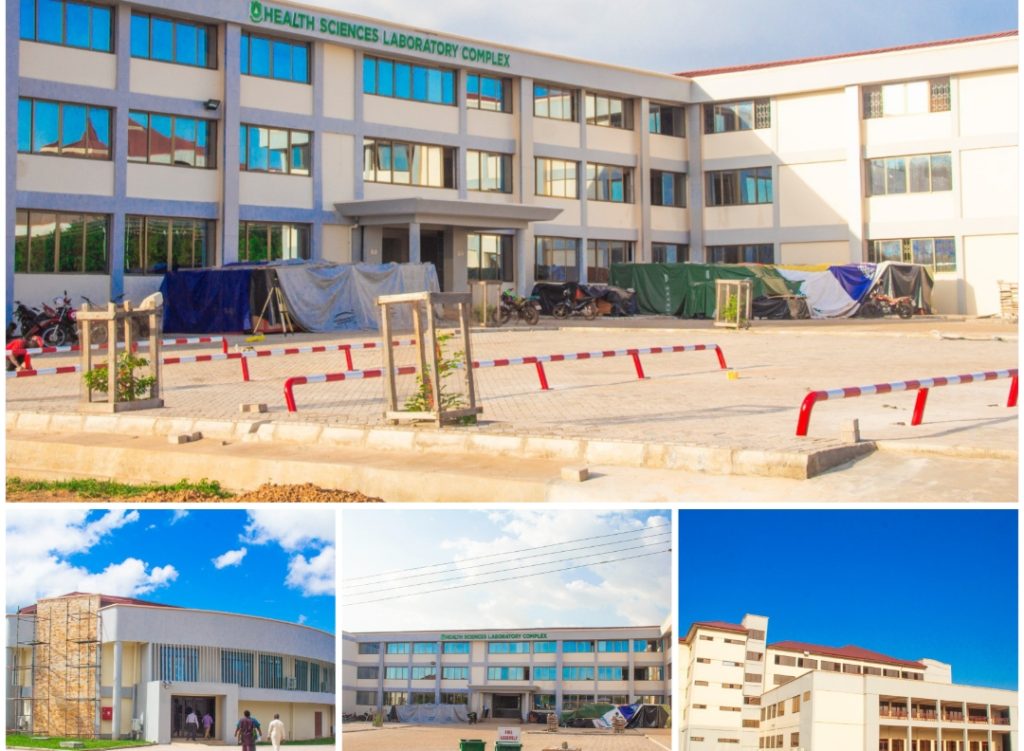
The University for Development Studies (UDS) has commissioned a number of major infrastructure projects at its main campus in Tamale, aimed at improving teaching, research, and service delivery.
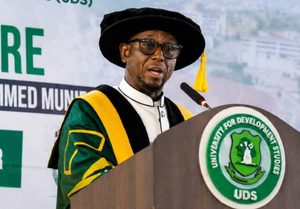
The commissioning ceremony, held on Friday, April 24, brought together the Vice-Chancellor, Professor Seidu Alhassan, the Paramount Chief of the Sagnarigu Traditional Area, Naa Ambassador Abdulai Yakubu, as well as other dignitaries and stakeholders.
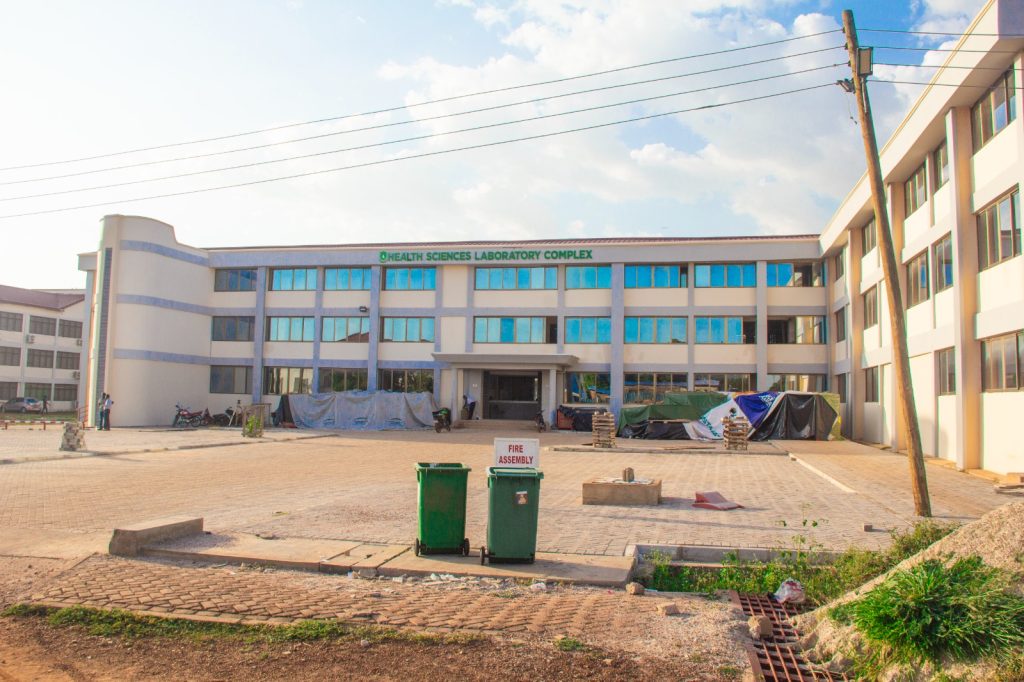
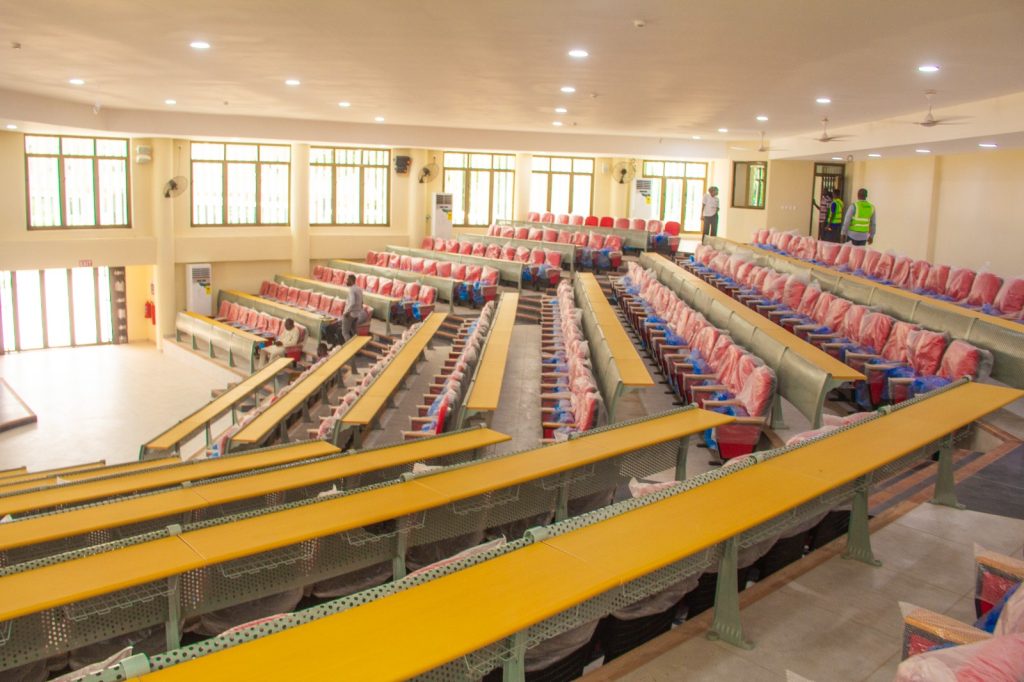
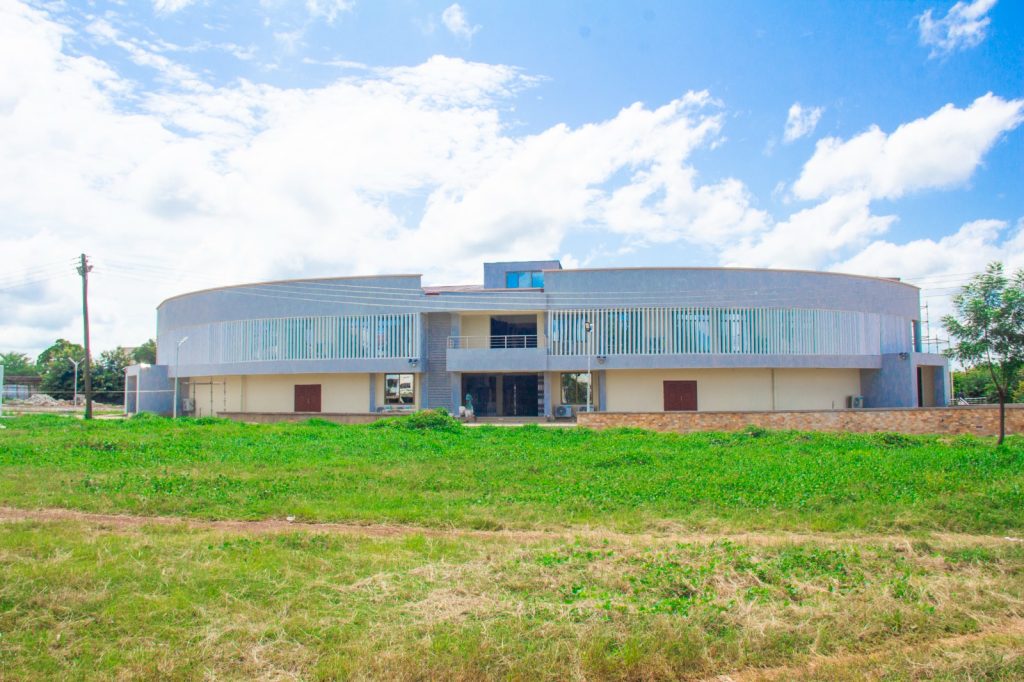
The projects commissioned include a modern laboratory complex for the School of Medical Sciences, a twin oval auditorium with a seating capacity of 600, a new complex for the School of Nursing and Midwifery capable of accommodating over 3,000 students for lectures, a general ICT laboratory complex, and a dental clinic. The dental facility is expected to enhance practical training for dentistry students while also providing services to both the university community and the general public.
Professor Alhassan, whose tenure is nearing its end, disclosed that the projects were funded through the university’s Internally Generated Funds (IGF). He described the achievement as a testament to prudent financial management and a reflection of the institution’s commitment to growth.
He noted that the facilities would strengthen UDS’s position among global higher education institutions and accelerate its long-term vision.
The Vice Chancellor also acknowledged the contributions of past Vice Chancellors under whose leadership some of the projects were initiated, emphasizing that their foresight and vision made the successful completion possible.
He further expressed appreciation to the government, the university’s governing council, and the Sagnarigu Traditional Area for their support in advancing the institution’s development.
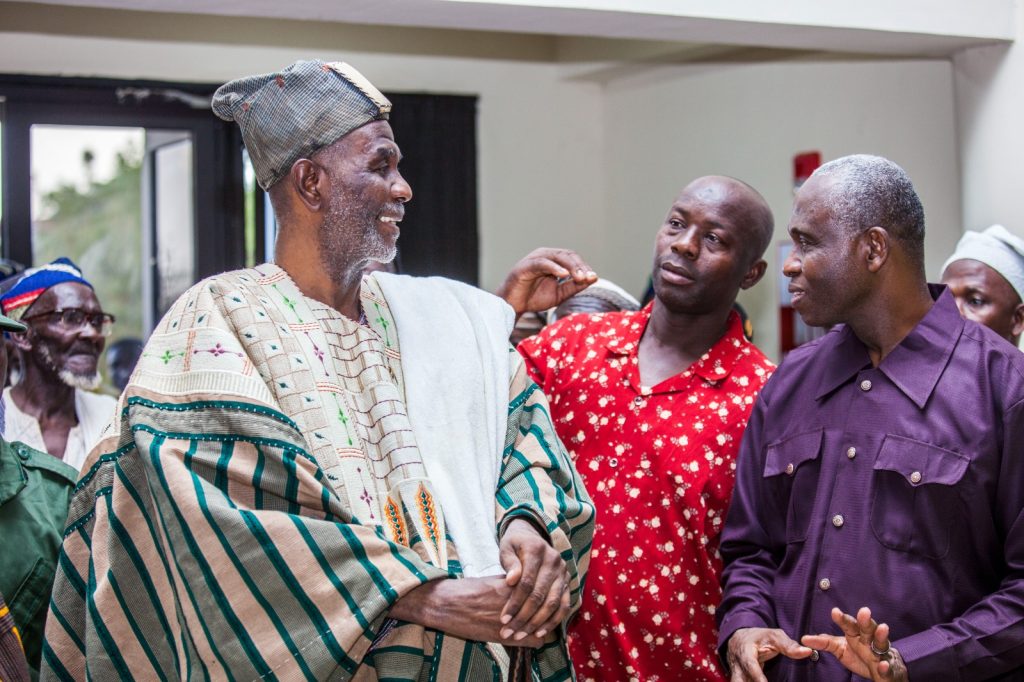
In his remarks, Ambassador Abdulai Yakubu commended both the outgoing and past Vice-Chancellors for their roles in realizing the projects, describing the event as historic and a celebration of vision, continuity, and teamwork. He expressed satisfaction that some of the facilities would directly benefit the public.
The Sagnarigu chief, however, called for the expansion of the university’s corporate social responsibility initiatives to better serve host communities. He also urged management to adopt a proactive maintenance culture to ensure the longevity and effective use of the facilities.
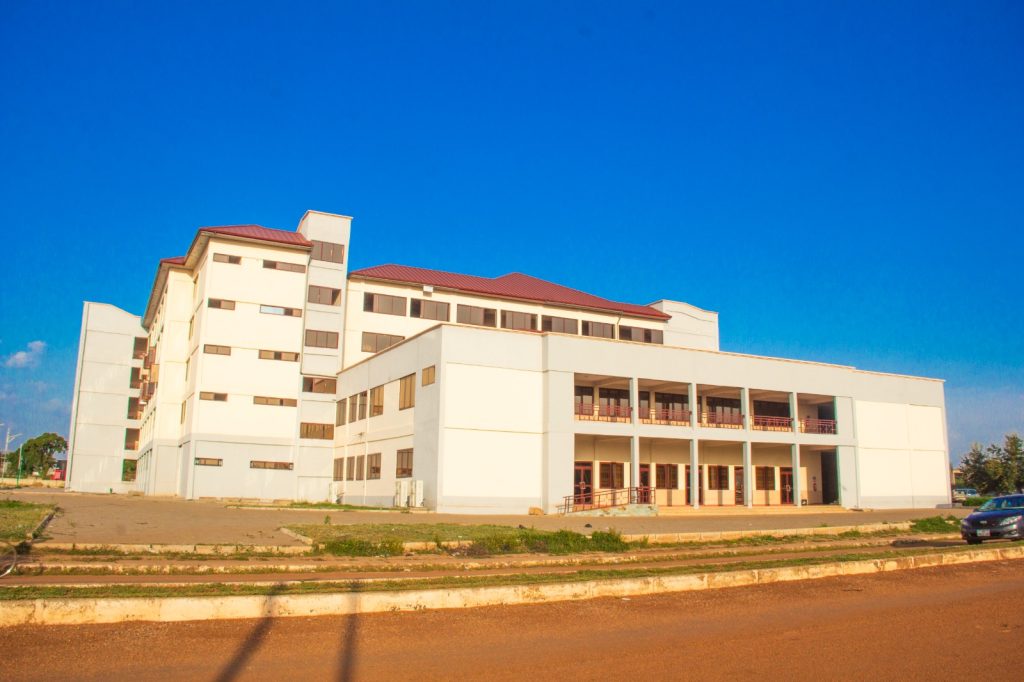
The five projects, some of which date back to as early as 2003, are expected to ease pressure on existing infrastructure, enhance practical and specialized training, and support advanced research within the university.
Credit: Iddrisu Kumbundoo