ACEP Saves Ghana $250m, Cuts $7bn Future IPP Payments Through Renegotiations
Africa Centre for Energy Policy says its intervention in the renegotiation of Independent Power Producer (IPP) agreements has saved Ghana approximately $250 million in debt obligations and a further $7 billion in future payments.
The intervention followed a request by the Ministry of Energy and Green Transition for ACEP to support the government in renegotiating a number of power supply agreements that had increasingly become unsustainable and placed a significant fiscal burden on the state.
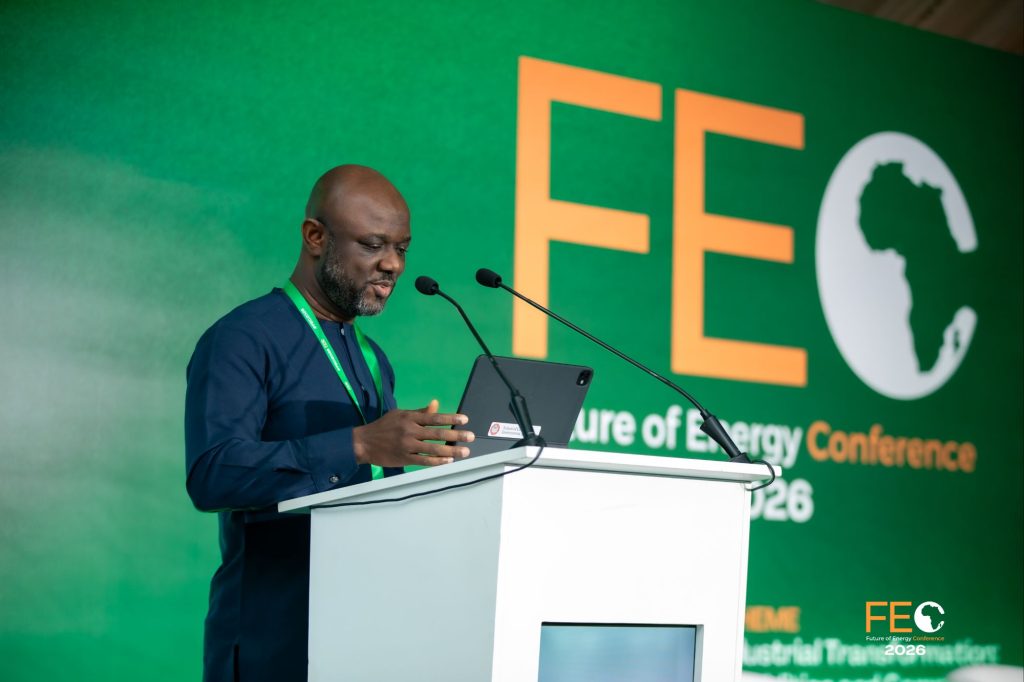
Executive Director of ACEP, Benjamin Boakye, disclosed this in his welcome address at the opening of a two-day Future of Energy Conference in Accra.
The conference, held under the theme “Powering Africa’s Industrial Transformation: Energy Systems for Value Addition and Competitiveness,” brought together key players in the energy sector from across Africa and beyond to deliberate on ways of improving cost-effectiveness and efficiency in the energy sector while leveraging the green transition to drive industrialisation on the continent.
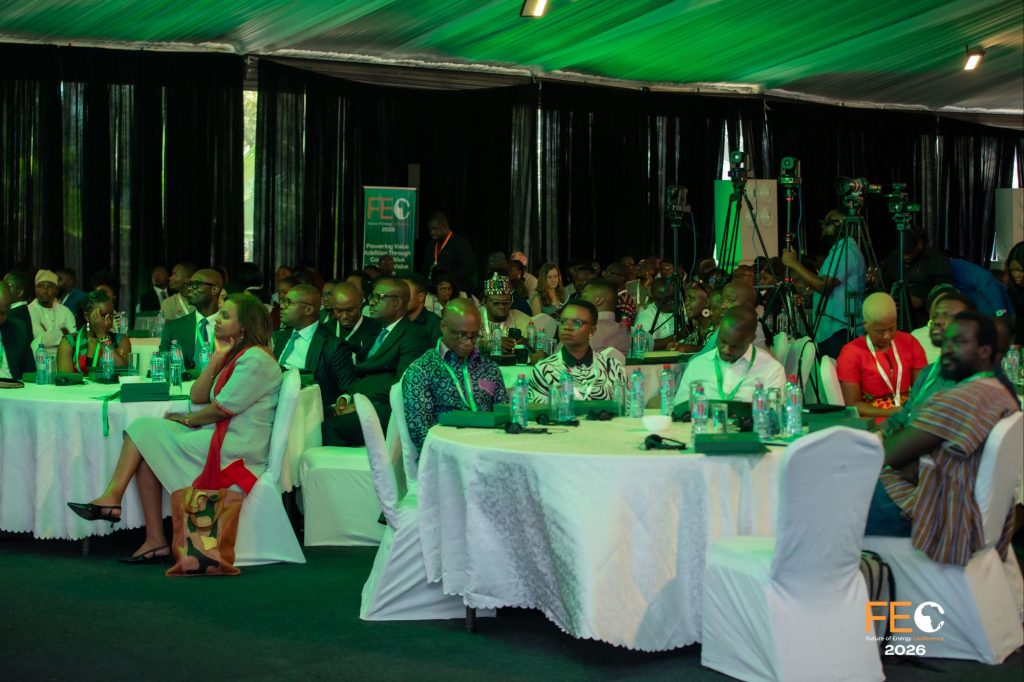
Mr. Boakye said the savings demonstrate that addressing Ghana’s energy-sector challenges does not always require building additional power plants.
“Last year, ACEP supported Ghana under the instruction of the Honourable Minister of Energy and Green Transition to renegotiate IPP contracts that we have to make them more sustainable. That work contributed to saving approximately $250 million dollars on debt and $7 billion dollars on future payments on commitments.”
According to him, while the financial savings are significant, the broader lessons from the renegotiation exercise are even more important.
He argued that governments can achieve substantial savings by reviewing existing contracts, financing arrangements, risk allocations and the assumptions underpinning major infrastructure projects.
“Reducing cost does not always require another power plant,” Mr. Boakye stressed.
He said better-structured agreements could strike a balance between the interests of the state and investors while ultimately reducing the cost of electricity to consumers.
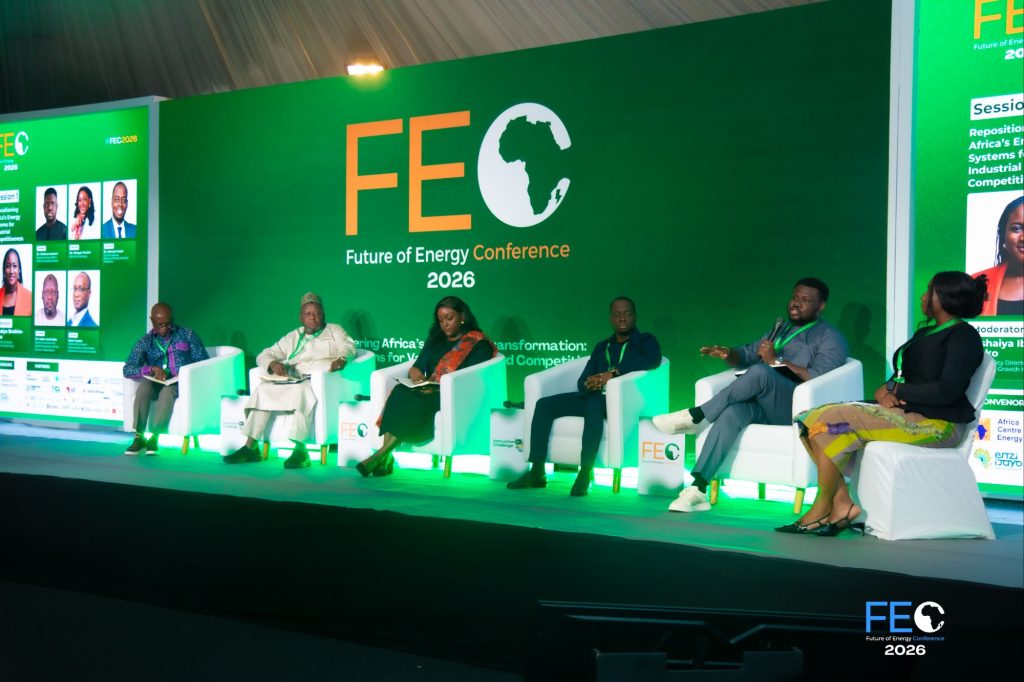
The ACEP Executive Director further called for a broader understanding of innovation in the energy sector, arguing that innovation should not be restricted to technological solutions such as solar power, batteries and smart grids.
“Energy innovation is not limited to technology such as solar, batteries, and smart grids. We also need to innovate how energy projects are financed, contracted and structured,” he said.
Mr. Boakye noted that the cost of capital remains a critical factor in determining electricity prices and urged stakeholders to pay greater attention to financing models when designing energy projects.
He said Africa’s ability to industrialise and derive greater value from its natural resources would depend significantly on the continent’s capacity to develop affordable, reliable and efficiently structured energy systems.
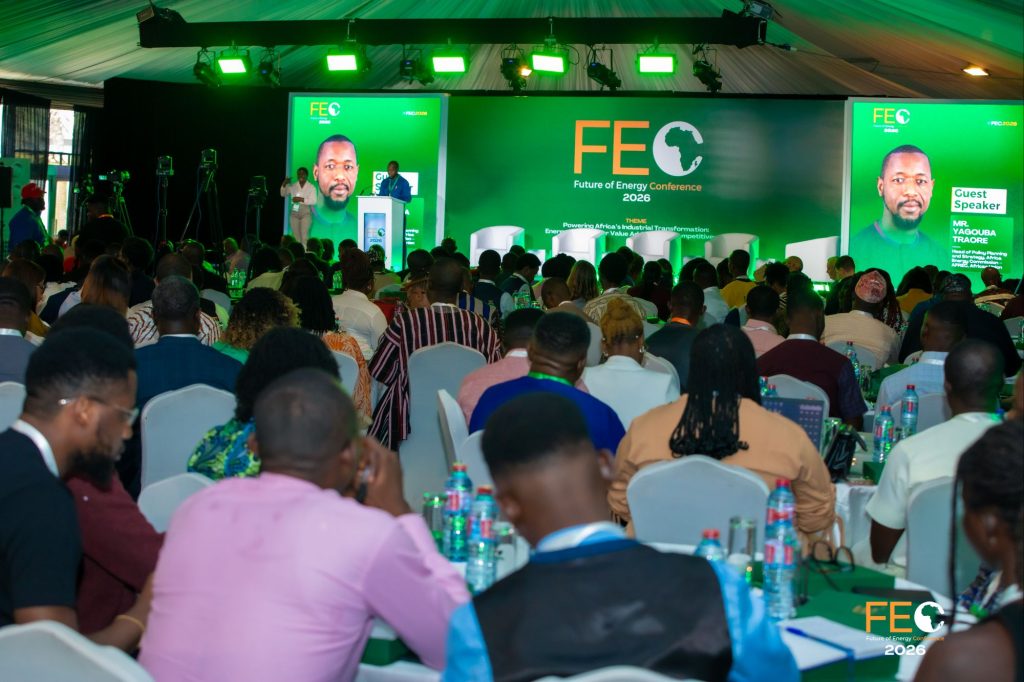
The two-day conference provides a platform for policymakers, energy experts, investors and other stakeholders to examine strategies for reducing the cost of energy, improving efficiency and using the energy transition as a catalyst for Africa’s industrial transformation.
CREDIT: Iddrisu Kumbundoo