UDS VC Calls for Community-Centred Research at 19th Annual Interdisciplinary Conference
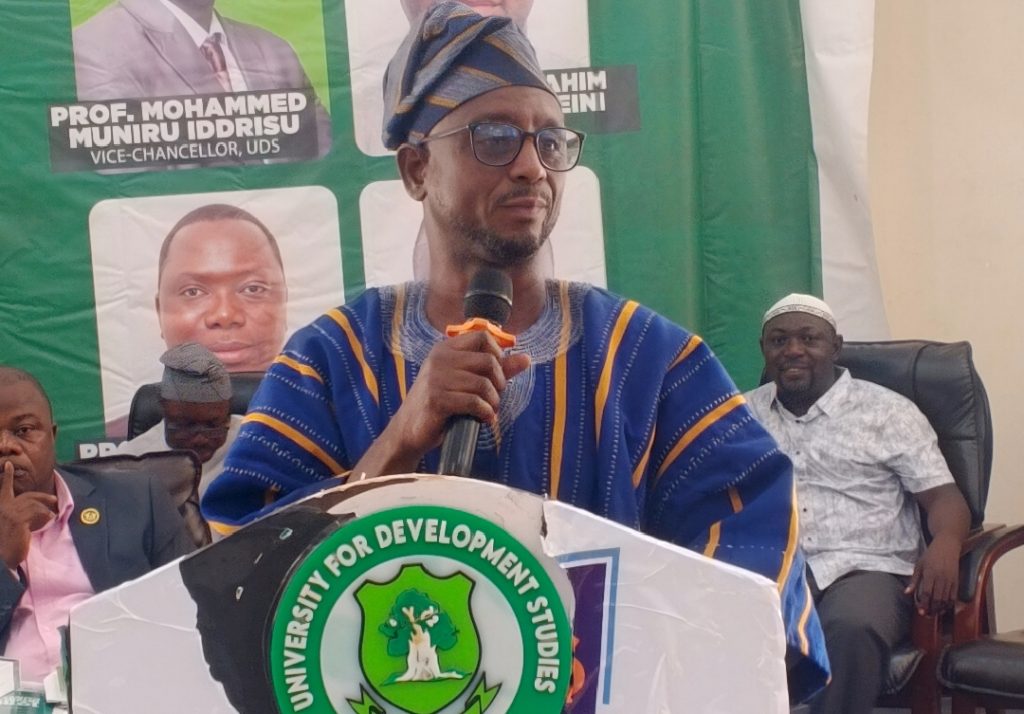
The Vice-Chancellor of the University for Development Studies (UDS), Professor Mohammed Muniru Iddrisu, has called for research and innovation that respond directly to community needs, influence policy and contribute meaningfully to national development.
He said research must move beyond academic knowledge to produce practical solutions that improve lives and build resilient communities.
Professor Mohammed Muniru Iddrisu made the call at the opening of the 19th Annual Interdisciplinary Conference of UDS, held at the Tamale Campus from September 16 to 17, 2026.
The conference, organised by the Institute for Interdisciplinary Research (IIR), was held on the theme: “Harnessing Interdisciplinary Research and Innovation for Resilient Communities and National Development.”
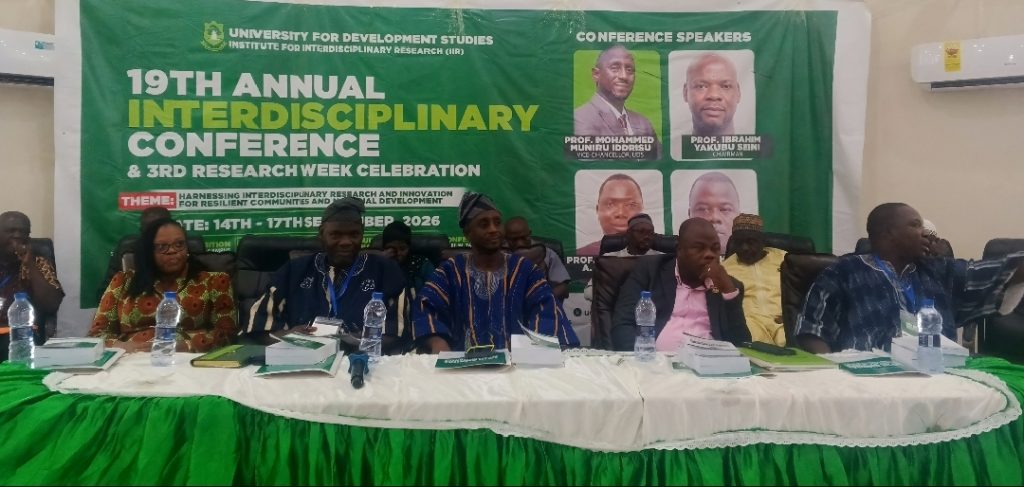
The two-days conference brought together more than 180 researchers, academics, policymakers, industry representatives, development partners and students from across Ghana to share knowledge and explore innovative approaches to research and national development.
The Vice-Chancellor said the complex challenges confronting communities, including health, education, food security, climate change, technology and economic development, could not be effectively addressed in isolation.
He stressed the need for researchers to bring together different forms of knowledge, expertise and experience to develop comprehensive and innovative solutions.
Professor Muniru urged researchers to work closely with communities, government, industry, civil society and development partners, emphasising that solutions should be developed with communities rather than merely for them.
“Research achieves its greatest value when it responds to real problems and helps improve lives,” he said.
He also challenged researchers to consider the practical impact of their work by asking what their research could change, who could benefit from it and how it could influence policy or practice.
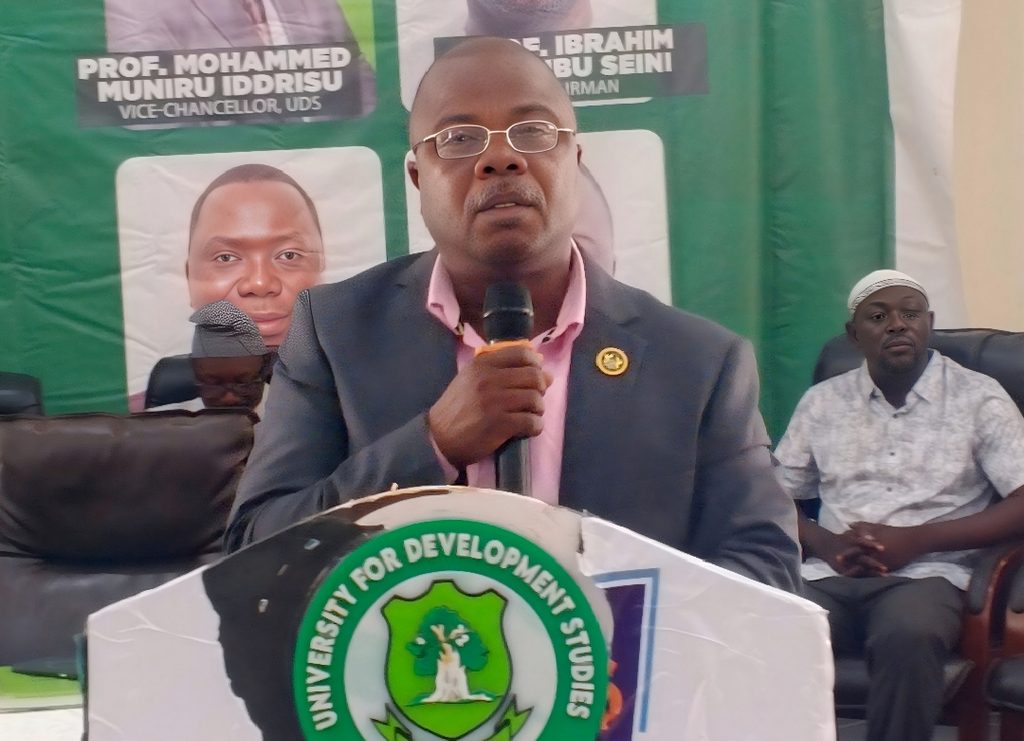
The Deputy Administrator of the Ghana National Research Fund (GNRF), Professor Ziblim Samsudeen, has called for stronger collaboration between universities, industry and government to ensure research outputs translate into commercial products, policy reforms and solutions to national development challenges.
He said research in Ghana must move beyond academic publications to generate tangible value for society, stressing that the country’s development depends on sustained investment in research and innovation.
“Research should move beyond publication towards patents, prototypes, start-ups, policy reforms, and industrial applications,” Professor Samudeen said.
He identified limited collaboration between academia and industry as one of the major challenges confronting Africa’s research ecosystem.
According to him, the Ghana National Research Fund represents government’s commitment to strengthening research financing, promoting innovation and building a knowledge-driven economy.
He said the Fund seeks to support research that generates evidence for policy, improves public services, strengthens industries, creates jobs and enhances Ghana’s national competitiveness.
Professor Samudeen also disclosed that the Fund has a dedicated window for young researchers, urging students, doctoral candidates and early-career researchers to pursue innovative research that addresses pressing societal challenges.
He called for collective action among government, universities, industry, development partners and communities to ensure research contributes meaningfully to national development.
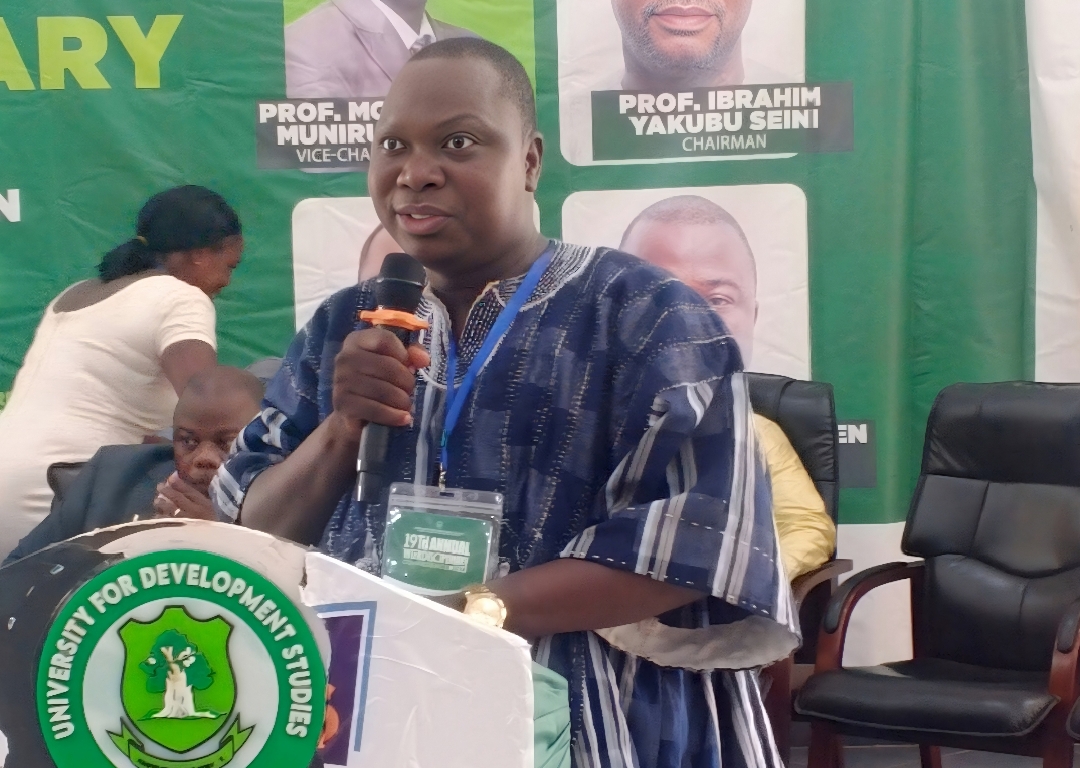
On his part, the Director of the Institute for Interdisciplinary Research (IIR) at UDS, Professor Mamudu A. Akudugu, called for stronger collaboration among researchers and stakeholders from different disciplines to develop solutions to complex development challenges.
He said interdisciplinary research was essential to ensuring that research findings moved beyond academic discourse to influence policy, improve livelihoods and promote sustainable development.
The IIR Director noted that the conference provided a platform for knowledge exchange, critical reflection, networking and the co-creation of evidence-based solutions to local, national, regional and global development challenges.
Professor Akudugu encouraged participants to actively engage in discussions, explore opportunities for collaboration and translate knowledge generated through the conference into practical actions that would contribute to sustainable and inclusive development.