Ghana Ranked Top Global Exporter of Shea Butter in 2025

Ghana has been ranked the world’s leading exporter of shea butter, with the country targeting a significant expansion of its shea industry through modern processing, research and value addition.
The Director of Presidential Initiatives on Agriculture and Agribusiness, Dr Peter Obama Otokunor, said Ghana currently produces an estimated 130,000 to 150,000 metric tonnes of shea nuts annually, valued at approximately US$350 million.
He disclosed this at the opening of the 2026 World Shea Expo in Tamale on Tuesday, September 15, 2026, where Vice President Jane Naana Opoku-Agyemang delivered the keynote address.
Dr Otokunor said unprocessed shea nut exports alone accounted for approximately US$177 million, stressing that Ghana had the potential to increase annual shea nut production to 400,000 metric tonnes, with an estimated value of US$640 million.
He said achieving the target would require investments in modern processing facilities, mechanised harvesting, cold storage and all-season logistics.
A major highlight of the expo was the introduction of a new hybrid shea variety developed by scientists at the Cocoa Research Institute, which matures in three years instead of the traditional 30 years.
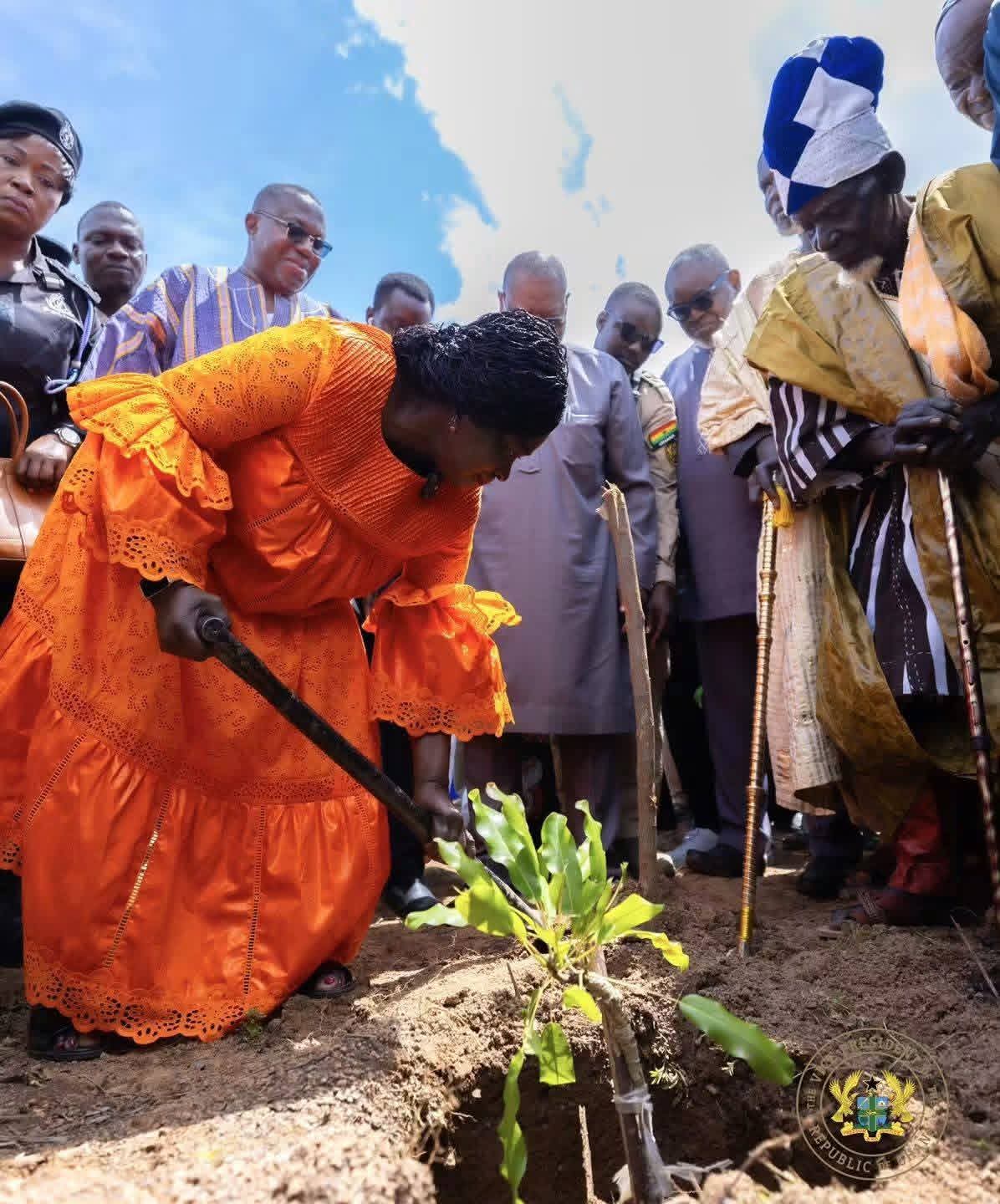
Dr Otokunor said the government had acquired 30 acres of land at Futa in the Tamale South Constituency for the establishment of a demonstration farm for the new variety.
Vice President Jane Naana Opoku-Agyemang earlier planted the first hybrid shea tree at the site, marking what Dr Otokunor described as a rare opportunity to bring research into practice.
The introduction of the hybrid variety is expected to accelerate shea production and support Ghana’s efforts to increase its share of the global shea market, which is projected to exceed US$3 billion by 2030.
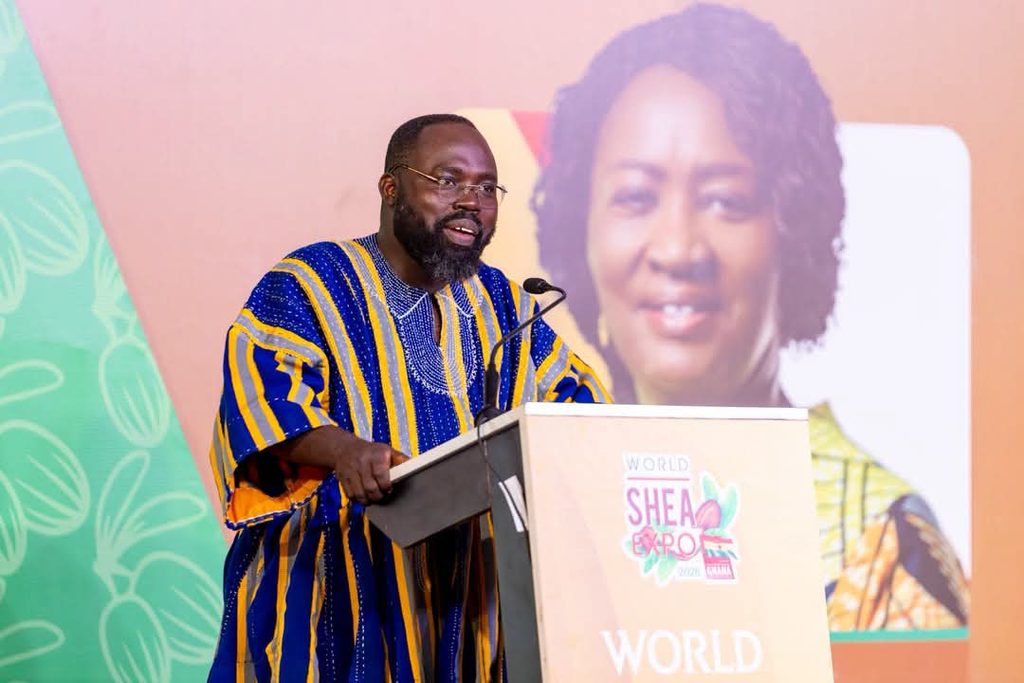
Dr Otokunor said the theme of the expo, “From Local Commodity to Global Brand: Accelerating Women and Youth-led Value Addition in Shea”, reflected the critical role of women and young people in the industry.
He noted that more than one million women and young people were involved in various shea value chains, from harvesting and picking to processing, product development and marketing.
However, he said many continued to receive inadequate economic returns from their labour due to limited access to finance, weak infrastructure, disorganised markets and inadequate policy support.
He described the World Shea Expo as a major platform for bringing together stakeholders to share innovation, foster investment and advance the development of the shea industry.
The expo which has since ended brought together 700 participants, including women, cooperatives, youth-led businesses, processors, exporters, international buyers, financial institutions, development agencies, traditional authorities and the media.
CREDIT: Iddrisu Kumbundoo